



In the long series of years dedicated to examining plant nutrition, it was found out that not only macro and micro elements are important for plant cultures, for their growth and development, but also amino acids, which are added in certain phenophases, depending on the needs of plants, as well as on climatic conditions that cause a stressful state in plants.
During the period of vegetation, growth and development, plants are affected by various factors. We divide them into biotic and abiotic. Biotic factors refer to various pathogens, insects, weeds, while abiotic factors refer to climatic conditions, the most important of which are water (moisture) and temperature.
Each plant culture for growth and development has certain requirements for water, certain minimum and maximum temperatures it can withstand, certain amounts of nutrients it needs, as well as certain maximum amounts of pesticides it can handle per treatment. Anything that exceeds the optimal conditions for plants has an adverse effect on its growth and development and causes stress to plants. There is no plant culture that grows in perfect conditions.
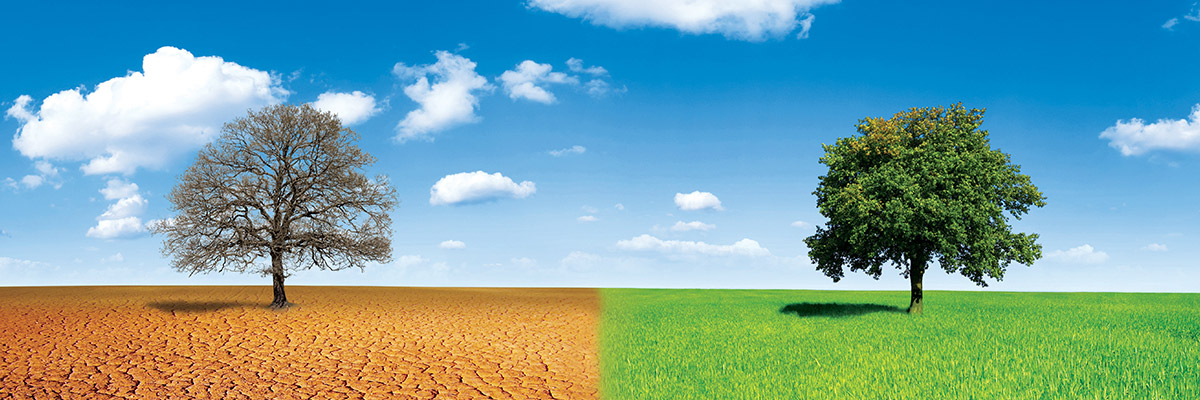
In recent years, we have witnessed climate changes that have gone to extremes, especially in terms of temperature and humidity. We remember the year 2014 for the heavy rainfall and floods. Likewise, the temperature oscillations, for plants, in the most sensitive phases were large. The year 2015 is remembered as a year of extremely high temperatures and a dry period, which led the plants to stress.
In intensive production, high-yield crops are grown, where both quality and quantity are important, which further exhausts the plants.
Regardless of whether the plants are grown in intensive production or for their own needs, those in extreme weather conditions and in a state of stress have a harder time succeeding, give smaller yields and fight only for their own survival.
Amino acids, as an integral part of proteins, play a very important role both in building cells and in physiological and biochemical processes in the plant cell itself.
There are 20 amino acids that participate in the physiological processes of plants, and each of them has its own specific function. Some participate in the water balance, some strengthen the cell wall, some help in the formation of plant tissues, some stimulate photosynthesis, some slow down the aging process. All amino acids share the role of having a positive and stimulating effect on physiological and biochemical activities, as well as on “immunity” and the strength of the plant.
Unlike animals, plants have the ability to synthesize amino acids themselves from free elements in the soil. For this synthesis, they need a large amount of energy, so in stressful situations such as drought, frost, hail, high and low temperatures, strong winds, the synthesis is reduced or impossible.
By adding amino acids in stressful situations and in situations when plants have a greater need for amino acids (intensive vegetative growth, flowering, formation and growth of fruits), there is an accelerated establishment of balanced conditions for plant growth and development.
Preparations that contain amino acids or are amino acids are called biostimulators. These preparations contain L-amino acids of plant origin that are biologically active in plants and the plant adopts them faster. The highest quality amino acids are obtained from the algae Ascophyllum nodosum .
Amino acids can be used foliarly or fertigationally.
By foliar application, amino acids enter the plant directly through the leaves, promote photosynthesis, respiration, stomatal opening, protein synthesis, carbohydrate synthesis, bring the plant to optimal conditions for growth and development, stimulate rooting, flowering, fertilization, fruit growth and the differentiation of flower buds.
Plants react differently to amino acid deficiency at different levels:
Level of growth: stopping of germination, reduction of growth, premature senescence, reduction of productivity.
Physiological: decrease in water absorption, change in the degree of transpiration, reduction in photosynthesis, changes in breathing, decrease in nitrogen assimilation, increase in the toxic effects of NH4.
At the cellular level: reduction of protein synthesis, reduction of enzymatic activity, disorganization of the membrane system, changes in genes
The Fitofert range of products contains various products that belong to the group of biostimulators, based on amino acids, amino acids with the addition of N:P:K in different ratios, depending on the needs of the plants and the phenophases in which they are found, and based on amino acids and microelements.
All our biostimulators, in addition to amino acids, also contain macro or micro elements, secondary elements, phytohormones, oligosaccharides, humic, fulvic acids, etc. They have in common that the present amino acids contribute to a faster uptake of other nutrients by plants, especially in stressful conditions.
Namely, amino acids as carriers of nutritious macro and micro elements are very favorable for uptake by plants. Their molecules are small and neutral and easily enter plant tissues. They do not require additional energy for penetration, they do not affect the activity of chlorophyll.
Amino acids have the possibility of complexing with microelements Fe, Zn, Mn, Ca, B, Mo and ensure easier passage of microelements through the plant, so these micronutrients enter and assimilate in plant tissues more easily.
The difference between plant and animal amino acids
All amino acids are not created equal. One of the divisions of amino acids is into right (D) and left (L) amino acids, and refers to the position of the amino group (-NH 2) in relation to the rest of the chain (carboxyl group –COOH). Left-handed L-amino acids of plant origin, due to their biochemical properties, are more easily adopted by the plant and they have a greater value in plant nutrition than right-handed D-amino acids or amino acids of animal origin. The plant does not recognize D-amino acids (of animal origin) in enzymatic functions and according to most hypotheses, the plant does not use them in protein synthesis. In some situations, they can even cause phytotoxicity.
Fitofert amino acids are exclusively of plant origin (that is, they come exclusively from algae) and not from animal waste, and they do not contain antibiotic residues, heavy metals (mercury, lead, chromium, chlorine) or other undesirable components.
By using Fitofert biostimulators, producers can be sure that their application will not contaminate their plants with BSE (mad cow disease), Salmonella, Escherichia coli or other pathogens of animal origin.
Fitofert products based on amino acids : Humiflex , Aminoflex , Aminomax 80 , Bioflex-P and Bioflex-L
Fitofert products based on amino acids with the addition of macro and microelements: Humistart , Humisuper Plus , SPEED for CORN , SPEED for SOYASUN and SPEED for GRAIN .
Master Eng. Agriculture Bojana Stanković
Expert plant nutrition service of the Agromarket company